Your Phone Is Locked. Your Emergency Info Shouldn't Be.
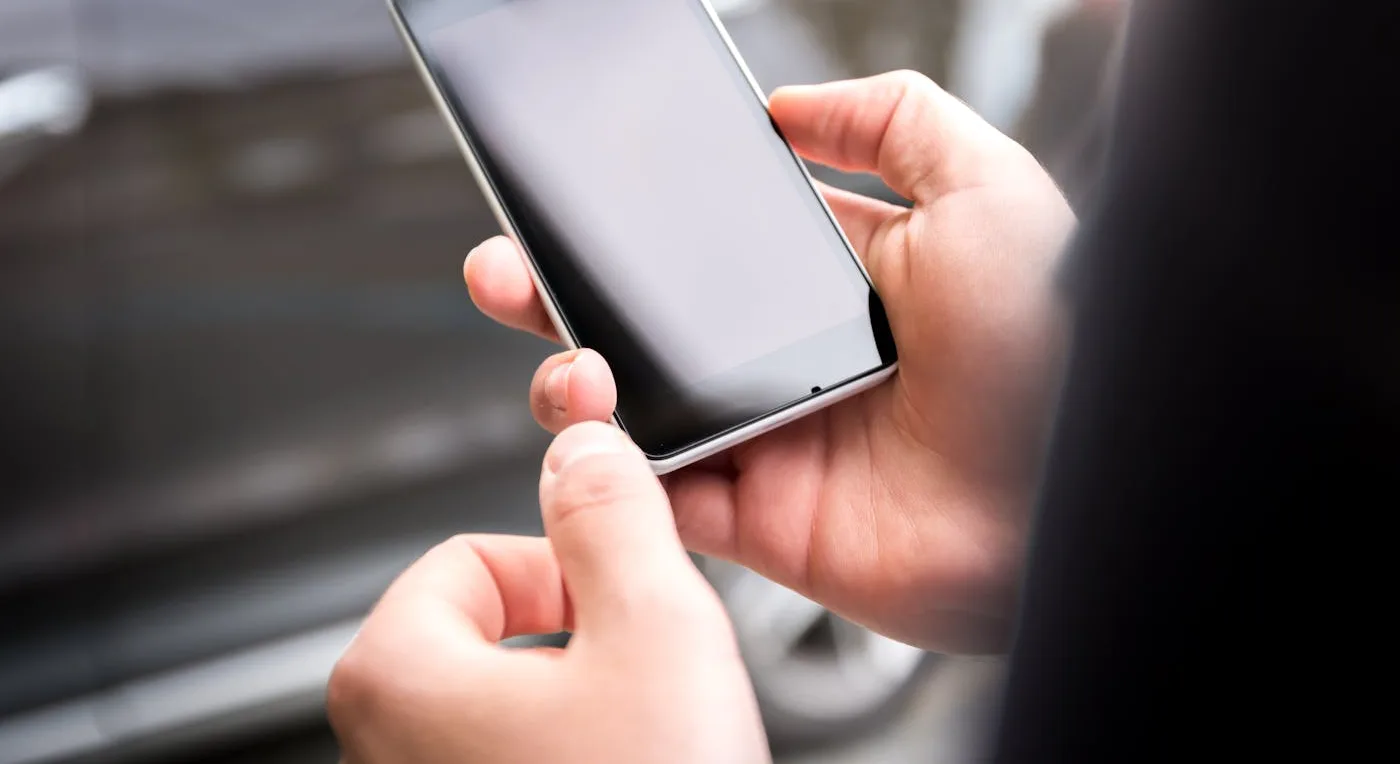
Picture an ordinary bad moment. You're on a run and your heart does something it shouldn't, or you come off your bike at an intersection, or you simply collapse at home. You can't talk. The person who stops to help reaches, almost by reflex, for your phone, and finds a locked screen that tells them nothing.
You might assume the answer is already on you. But in that moment a locked phone and a wallet full of cards rarely give a stranger what they need: a name they can trust, someone to call, and the medical basics, in a form they can actually read in the few seconds they have.
Hospitals see the gap this leaves. Patients who arrive unconscious and unidentified, the ones charts still label "John Doe," are among the most fragile to care for, and the absence of a name, a contact, or a medical history can slow things down at exactly the wrong time.
Speed and clarity matter in an emergency. More than 357,000 cardiac arrests happen outside hospitals each year in the U.S., most of them at home, and survival is hard-won. Research continues to show that the sooner help and good information arrive, the better the odds. None of that is something a product can promise to change, but being identifiable is one less thing standing between you and the people trying to help.
A personal BlueID sticker is built for that moment. It's an NFC sticker linked to your digital emergency profile. Tap it with any phone and it brings up what you'd want a stranger to know: your name, who to call, allergies, and conditions, with no app to download and no passcode to get past. You can put it where it'll actually be found, on a phone case, a water bottle, a bag, or a helmet. It isn't a medical device or a substitute for emergency services; it's simply a quicker way for someone to learn who you are when you can't tell them.
The setup takes a few minutes, once. The rest of the time you forget it's there. That's the point: it stays quiet until the day someone needs to know who you are and you can't tell them yourself.
Sources: Out-of-hospital cardiac arrest figures: American Heart Association, CPR & Sudden Cardiac Arrest facts (cpr.heart.org/en/resources/cpr-facts-and-stats) and "Starting bystander CPR within 10 minutes of cardiac arrest may improve survival," American Heart Association News, 2024 (heart.org/en/news/2024/11/11/starting-bystander-cpr-within-10-minutes-of-cardiac-arrest-may-improve-survival). Unidentified patients: Acar D, Tekin FC, "The problem of unconscious and unidentified patients in emergency department admissions," PLOS ONE, 2024 (journals.plos.org/plosone/article?id=10.1371/journal.pone.0307540).