When You're Out There Alone: Emergency ID for Endurance Season
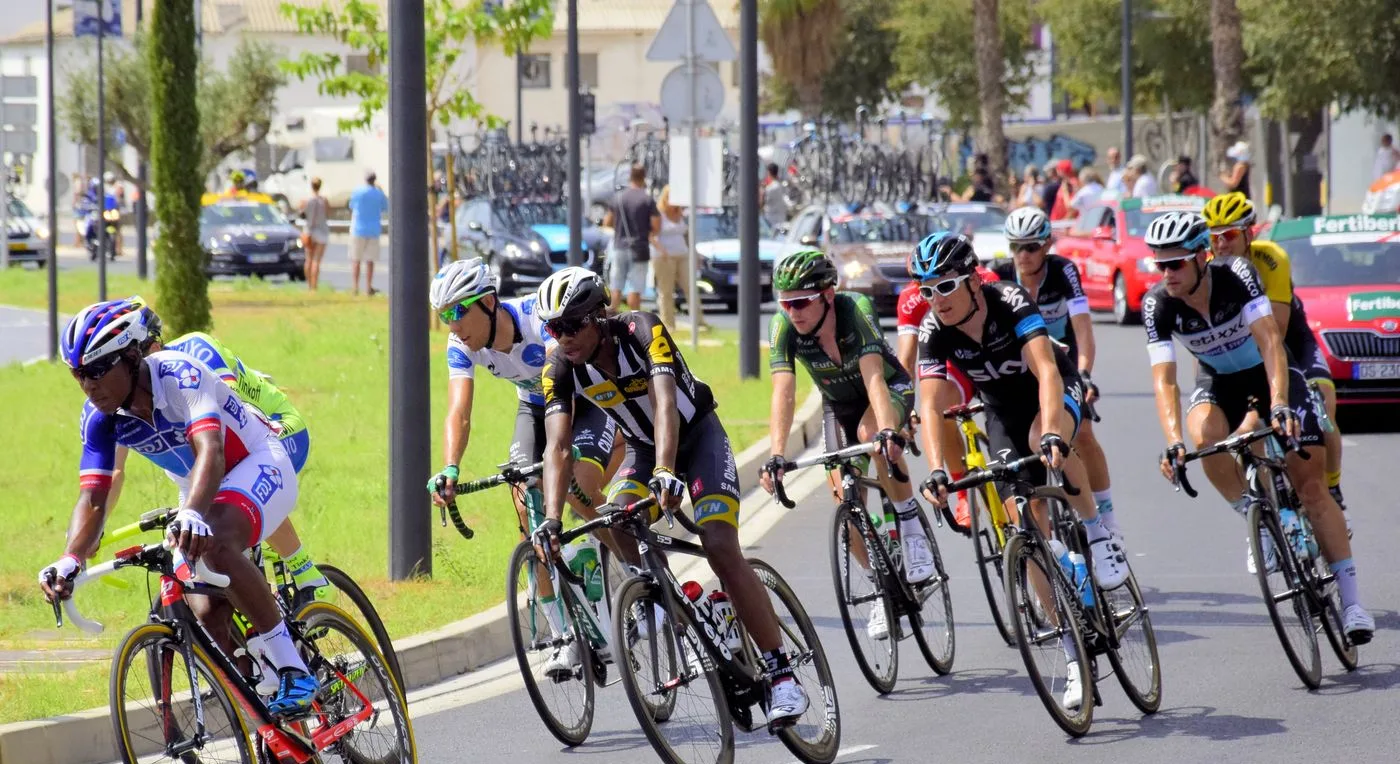
Endurance season has a rhythm to it. The early alarms, the long Saturday miles, the start corrals packed shoulder to shoulder, the group ride that rolls out before sunrise. Whether you run 10Ks or ultras, ride gran fondos, race triathlons, swim open water, or just disappear up a trail for a few hours, the season has one thing in common: it puts you out there, often far from anyone who knows you.
Most of the time, that's the whole appeal. But it's worth being honest about what "out there" really means. On a crowded race course you're surrounded by strangers. On a solo long run or a backcountry hike you may be surrounded by no one. In both cases, if something goes wrong, the people nearby usually have no idea who you are, who to call, or what a paramedic would want to know.
Serious medical events during endurance events are rare, and it helps to keep that in perspective. A long-running study of U.S. marathons and half-marathons recorded roughly 0.54 cardiac arrests per 100,000 runners between 2000 and 2010. A follow-up covering more than 29 million participants through 2023 found those rates have stayed relatively stable, while survival has improved. Rare isn't the same as never, though, and when minutes matter, the people helping you do better when they aren't also trying to work out who you are.
For cyclists, the bigger exposure is often the road itself. U.S. data recorded 1,105 cyclist deaths in 2022, the highest figure on record and up 13% from the year before, with tens of thousands more injured. A rider found at the side of a road after a collision may be unconscious and carrying nothing that identifies them.
This isn't only an elite-athlete concern. The hundred largest U.S. races alone drew more than 1.6 million participants in 2023, ordinary people training around jobs and families. The more of us out there moving, the more it's worth carrying something that can answer the basic questions for us when we can't.
That's the simple idea behind a personal BlueID sticker. It's a small NFC sticker linked to your digital emergency profile: tap it with any phone and a bystander or responder can see what you'd want them to know, like your name, your emergency contacts, allergies, and any conditions, with no app and no passcode. It isn't a medical device, and it isn't a substitute for calling emergency services. It's simply one more way to be identified when it counts.
Nobody laces up expecting a bad day. But carrying ID that can speak for you is one of those small, quiet preparations, like checking the weather or telling someone your route, that costs almost nothing and is good to have if the season ever throws you a hard one.
Sources: Cardiac arrest incidence: Kim JH et al., New England Journal of Medicine, 2012 (nejm.org/doi/full/10.1056/NEJMoa1106468) and RACER 2, JAMA, 2025 (jamanetwork.com/journals/jama/fullarticle/2832121). Cyclist fatalities: NHTSA, Traffic Safety Facts 2022, Bicyclists and Other Cyclists (crashstats.nhtsa.dot.gov/Api/Public/Publication/813591). Race participation: Running USA / RunSignup, 2023 Top 100 Largest Races (info.runsignup.com/2024/01/12/2023-top-100-largest-races).